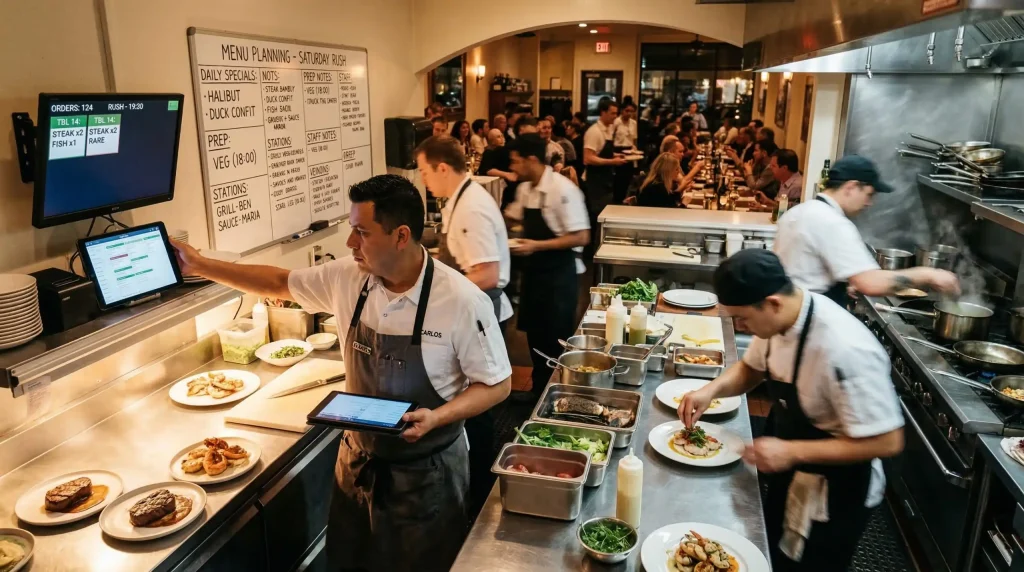
Why Menu Planning Matters For Food Businesses
Have you ever wondered why some food businesses (like Tiffin, buffet, etc) always serve balanced and satisfying meals while other food businesses struggle with consistency and taste?
The secret behind is Menu planning….
It’s a process of planning menu in advance for a week or month, which helps businesses to organize required ingredients, manage kitchen operations, and maintain consistency in meals.
It make easier for businesses to create a structured weekly meal plan so that dishes do not repeat and customers don’t feel bored with the same meals every day. Another good thing is that businesses buy the right amount of ingredients to reduce unnecessary food waste.
What are the Impact of Menu Planning?
Cost Control:
Planning meals in advance helps businesses to know the exact quantity of ingredients required to cook a dish which prevents unnecessary purchasing and helps control overall food costs. When dishes are organized through a weekly meal plan, businesses can manage their inventory better and avoid sudden shortages or overbuying.
Kitchen Efficiency:
When meals are pre-decided, kitchen staff can prepare ingredients and organize cooking tasks more effectively. This reduces confusion during busy hours and helps the kitchen operate in a smoother and more structured way.
Consistent Food Quality:
When dishes are pre-planned properly, businesses can maintain the same taste and portion size for every meal. Menu planning also ensure that customers receive same food quality every time they order.
Reduced Food Waste:
Proper planning allows businesses to buy and use ingredients carefully, reducing the chances of unused or spoiled food. This approach also supports healthy meal planning, where meals are balanced nutritionally while minimizing unnecessary waste.
In the long run, these impacts help food businesses operate more efficiently while delivering better meals and maintaining customer satisfaction.
Why Customer Preference Matters
Through this real story, you will understand how menu planning helps food businesses connect with their customers:
Note: The person in this story is one of our customers at Ghar Ka Bana Shudhkhana; We have only change the name for privacy reasons.
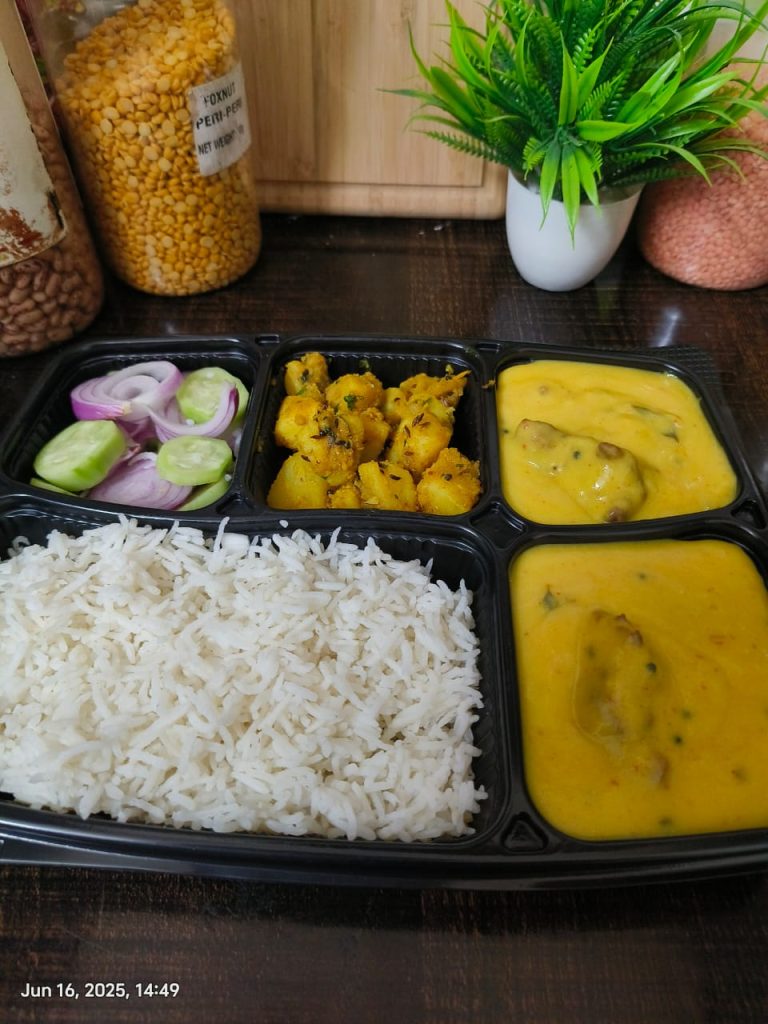
Sakshi, a first-year college student living in Delhi, Rohini. She had been ordering tiffin from a different services for almost 3 months. However, she kept facing the same problem. Every couple days she requested to make her food less spicy with low oil. Although they agreed on the phone, the food never changed. The dal was like water, oily sabji which does not matched her taste.
Frustrated, she finally stops their services after trying 2 or 3 tiffin services. She calls on our tiffin service, Ghar Ka Bana Shudhkhana. On her first call she only asked 2 questions “Does your tiffin also taste spicy and is it made in high oil?” We told her that our meals are prepared with balanced spices with low oil, and we also asked her to try our tiffin once. We assured her that if she had any preferences, we would note that and adjust her meals accordingly.
After trying our food, she was pleasantly surprised. The meals suited her taste perfectly, and soon kadhi became her favourite dish. We carefully noted her preferences and continued serving meals that matched what she enjoyed, while avoiding dishes she didn’t like.
Today, she is still one of our regular customers. We truly appreciate her trust and wish her success in her studies.
What are the types of menu and how to choose the Right One?
Understanding different types of menu allows businesses to manage variety, control costs, and meet customer expectations. In menu planning choosing the right menu structure supports better operations and improves the overall dining experience.
| À La Carte Menu | Each dish is listed separately and priced individually. Customers can choose exactly what they want. | Restaurants that want to give customers more freedom and variety in their meals. |
| Table d’Hôte Menu | A fixed menu with a limited number of courses served at a set price. | Hotels, special events, or restaurants offering complete meal packages. |
| Du Jour Menu | A menu that changes daily depending on available ingredients or special dishes of the day. | Small food businesses and tiffin services |
| Cyclical Menu | Meals rotate on a schedule (for example weekly or monthly). | Cafeterias, schools, and tiffin services |
| Static Menu | The same menu items are served every day | Fast-food restaurants |
For example, at Ghar Ka Bana Shudhkhana we use two menu systems which helps in menu planning:
-Du Jour Menu (Menu for a day)
-Cyclical menu (menu items rotate on a schedule)
We use Du Jour Menu on Saturday or Sunday for making food that a specific person likes. On those days, the meal may be customized for that person’s preference, while we still make sure that we do not serve those dishes to those customers who hate it, we make other dishes for them which they like.
By understanding these menus businesses can select a system that suits their kitchen capacity and customer preferences. The right choice also supports healthy meal planning, helping maintain a balance between taste, nutrition, and meal variety.
How to do menu planning?
Planning menu in advance is most important practice in any food business for that there are some points to remember
1) Understand your customer
By knowing who is your targeting customers, you can design your menu according to their preferences and needs.
For example, Raju start a street fast-food cart, so the main customers will likely be students or office workers looking for quick and affordable. This means Raju menu should include dishes that are fast to prepare and easy to serve. Understanding this helps to choose dishes that suit their taste, budget, and eating habits.
2) Competitor and market research

Studying competitors helps you understand what customers prefer in your area. It shows popular dishes, pricing ranges, and menu trends. This information helps Busniesses during menu planning decide how your menu can be different while still offering dishes people already enjoy.
For example, now Raju knows who his customer are, now he needs to observe nearby food carts and small restaurants menus, seeing which dishes selling most and noticing their pricing strategy. He also needs to talk to local customers to understand what they like or what they feel is missing.
By doing this small “competitor and market research,” he can identify popular items, understand the competition, and decide how his own menu can offer something better or slightly different.
3) Selection of type of menu
Different menu styles suit different food businesses. By choosing the right structure, businesses can manage variety, control kitchen operations, and serve meals more efficiently according to customer needs.
For example, Raju decides to use a simple static menu for his fast-food cart. He keeps a few fixed items like burgers, momos, and veggie rolls. This makes it easier for him to manage ingredients, cook quickly, and serve customers efficiently.
4) Selection of dishes
One of the important things in menu planning is selecting the right dishes for the menu. Choose items that are easy to prepare, commonly available ingredients, and match customer preferences. Starting with a small number of dishes helps maintain quality, manage kitchen operations smoothly, and serve meals quickly.
For example, Raju selects dishes that are quick to prepare and require simple ingredients. Instead of adding too many items, he starts with burgers, pre- homemade veggie rolls, and momos, along with some cold drinks. These dishes are popular, easy to cook, and help him serve customers faster during busy hours.
5) Portion control
Businesses should decide the right quantity of ingredients for each dish so that meals remain balanced and consistent. Proper portion control helps in maintaining food quality and reducing unnecessary food waste in the kitchen.
For example, Raju decides the exact quantity for each dish. In one burger he uses one patty, one bun, and a fixed amount of sauce and vegetables. By keeping the portions same every time he controls costs, maintains taste consistency, and avoids wastage of ingredients.
6) Food costing
Understanding how much each dishes actually costs helps owners to set the right selling price and maintain proper profit margins. With proper menu planning, businesses can control food costs while ensuring the menu remains profitable.
For example, Raju calculates that one burger costs to prepare, including ingredients and packaging. The total cost comes to around RS30. Since his competitors are selling burgers for RS60, Raju decides to sell his burger for RS50 to attract more customers while still making a profit.
7) Create, Implement and Testing the Menu
After all that, create the menu and implement it. Once the menu is implemented, businesses should observe whether customers like the food, portion sizes, pricing, and gather feedback for any taste improvements or other changes.
8) Feedback and improvement
Collecting feedback from customer helps business to understand what is working well and what needs improvement. By listening to customer opinions about taste, portion size, and pricing, businesses can make small changes that improve the menu and create a better dining experience for everyone.
Benefits of Menu Planning for Different Stakeholders

Owners:
It helps them control costs, plan of purchase, and maintain profitability while keeping operations smoothly.
Main Chefs:
When meals are planned in advance, chefs can prepare ingredients efficiently and maintain consistency in taste, portion and presentation.
Service staff:
It makes easier for service staff to explain dishes, handle orders, and provide better service to the customers.
Customers:
A planned menu ensures variety, balanced meals, and reliable food quality, which improves overall customer satisfaction.
Suppliers:
Planning menu help them to give order to suppliers for ingredient on time. This ensures that required ingredients are always available, leading to smoother kitchen operations.
Final Thoughts on Menu Planning
It is a strategic process that helps food businesses maintain consistency, control costs, and deliver better meals to their customers. From understanding customer preferences to selecting the right type of menu, every step plays an important role in building a successful food operation.
Whether it is a small street food cart like Raju’s or a growing tiffin service like Ghar Ka Bana Shudhkhana, proper menu planning helps businesses stay organized and serve meals that customers truly enjoy. In the long run, a well-planned menu not only improves kitchen efficiency but also builds trust and satisfaction among customers.
For more exciting Offers and updates, follow us on Instagram and Facebook
Last updated: 29 May 2026
Comments are closed.